What makes a designer or studio memorable?
In a landscape driven by visibility and recognition, memorability is shaped as much by judgment and process as by aesthetics.

In the creative industry, memorability is often associated with recognizable aesthetics—a telling visual language or recurring stylistic cues. But while it may be easy to identify what makes a creative’s work distinct, it’s harder to trace how a designer or studio becomes memorable over time. Are there certain ways of working that help build memorability? Can memorability be consciously cultivated, or does it emerge slowly through repetition, trust, and experience?
To look for answers, we spoke to Sarah Di Domenico and Justin Lortie, co-founders of the brand and design agency Wedge Studio, Alex Center, founder of CENTER, and design director Jingqi Fan.

Point of view over polish
A designer’s memorability is often built through the memorability of their projects—though the two don’t operate in entirely the same way. While a project can instantly capture attention and even feel timeless from the outset, the memorability of a practice tends to accumulate over time.
Still, memorable projects become the first point of contact between a practice and its audience. They create visibility, recognition, and cultural association, sometimes becoming a point of reference for the studio itself.
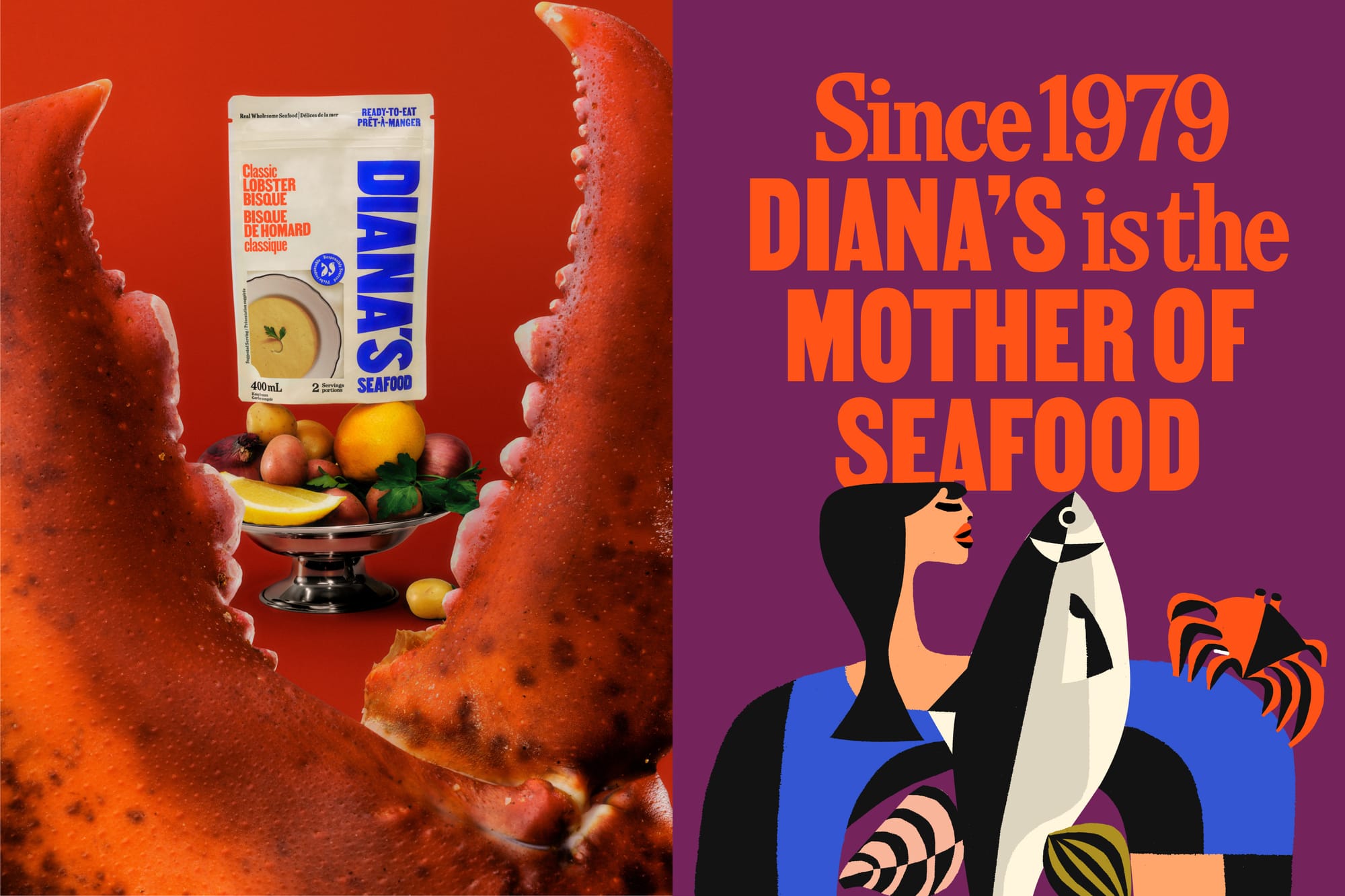
But in a creative landscape where technically refined work has become the norm, distinction can no longer rely on craft alone. As Alex Center puts it, “High craft is now the baseline.” Sarah Di Domenico and Justin Lortie agree.
“Technically strong work doesn’t mean emotionally powerful work.”—Justin Lortie
“We’re in a time where what you make people feel is the most important factor. Anyone can generate anything with a prompt that looks the part. But what’s it really driving? Is it inspiring? Does it move you?” asks Justin.
What separates memorable work from merely polished work, then, is often a point of view: a strong conceptual perspective and a connection to something culturally resonant that feels distinctly ownable to a brand. In branding especially, memorability rarely comes from aesthetics alone. Instead, it surfaces from the ability to build a world around a brand that feels both specific and immediate.
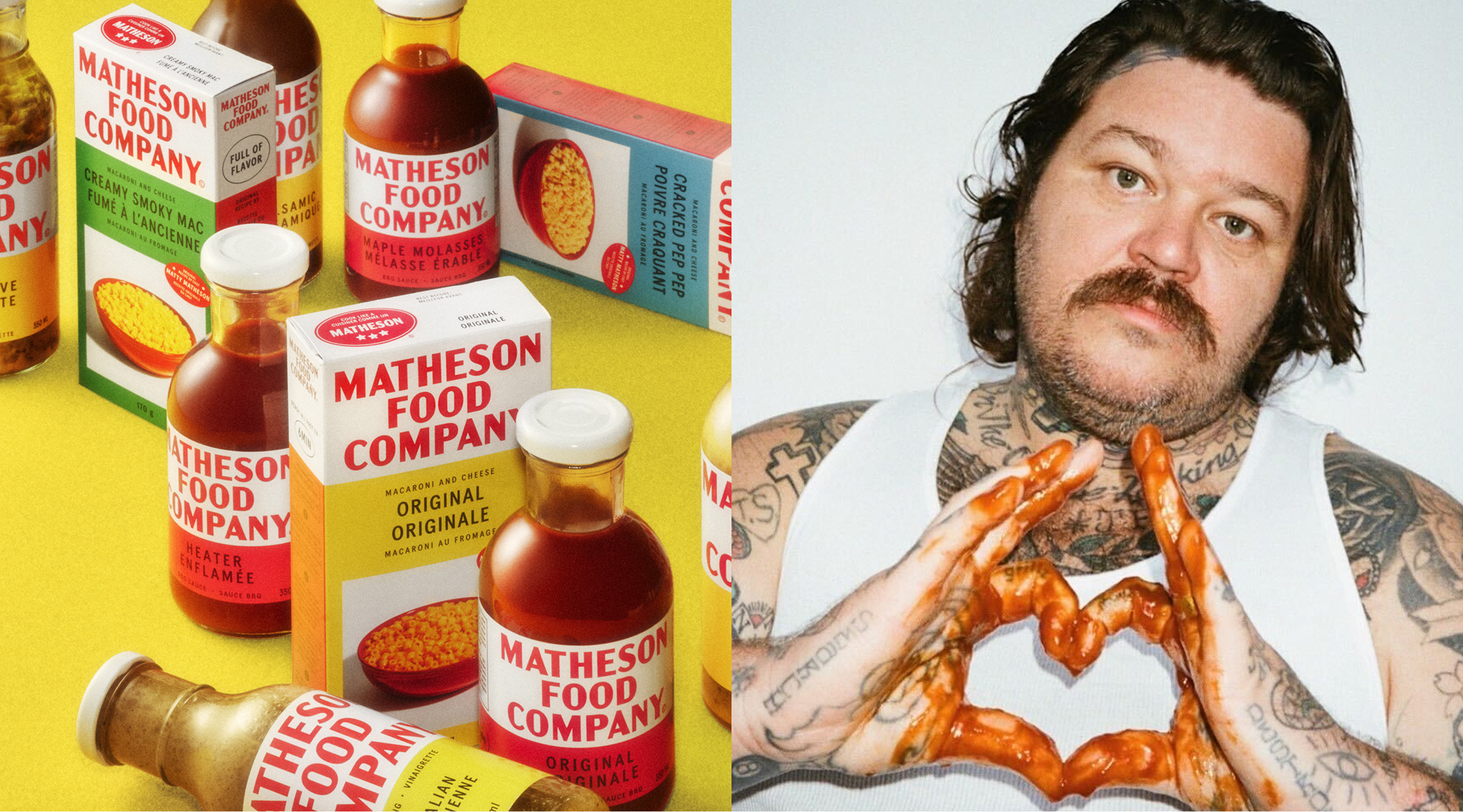
For Montreal- and Los Angeles-based Wedge Studio—whose identity work for brands including chef and actor Matty Matheson’s Matheson Food Company has become widely celebrated within design culture—story and point of view form the foundation of the process. “We obsess over tone and believe that story is the oldest form of technology,” says Sarah. In the studio’s view, a memorable identity needs to “stand on its own,” creating an immediate emotional pull. “A child needs to be able to redraw it by memory,” she adds. “That’s what memorability is.”
The thinking beneath the work
Interestingly, having a body of culturally visible projects alone doesn’t fully explain why certain designers or studios continue to be sought out over time. Visibility may create awareness, but a practice’s lasting presence develops more gradually, sitting deeper within the creative process itself: in judgment, approach, and collaboration.
For designer Jingqi Fan, memorability is rooted less in style than in ways of thinking.
“Style is what people recognize on the surface—it can be useful, but it can also become limiting very quickly.”—Jingqi Fan
“A way of thinking has more range,” says Jingqi. “It’s what shapes the decisions underneath. It means you can enter very different subjects, industries, and contexts, but still bring a consistent level of judgment, curiosity, and rigor to the work.”
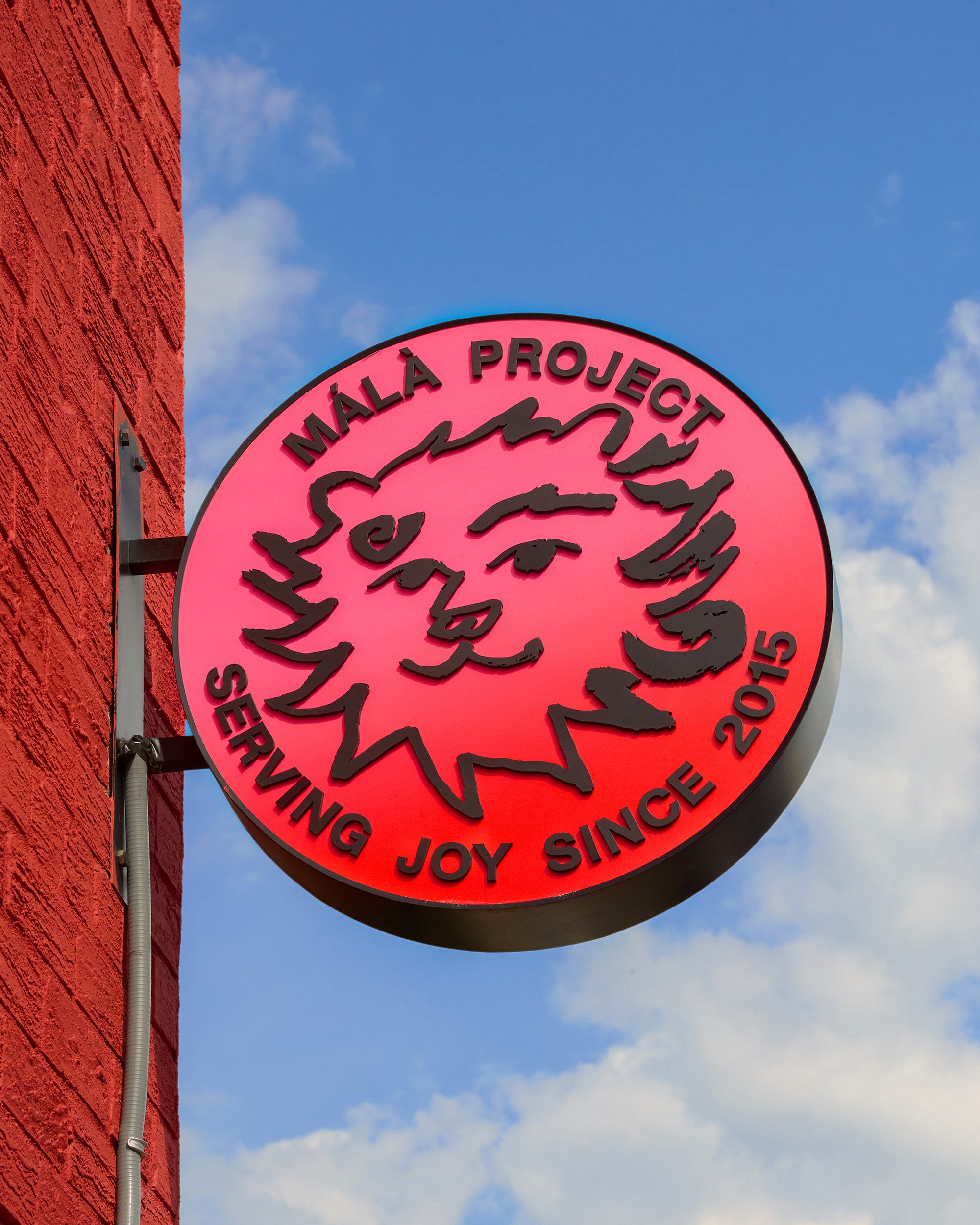
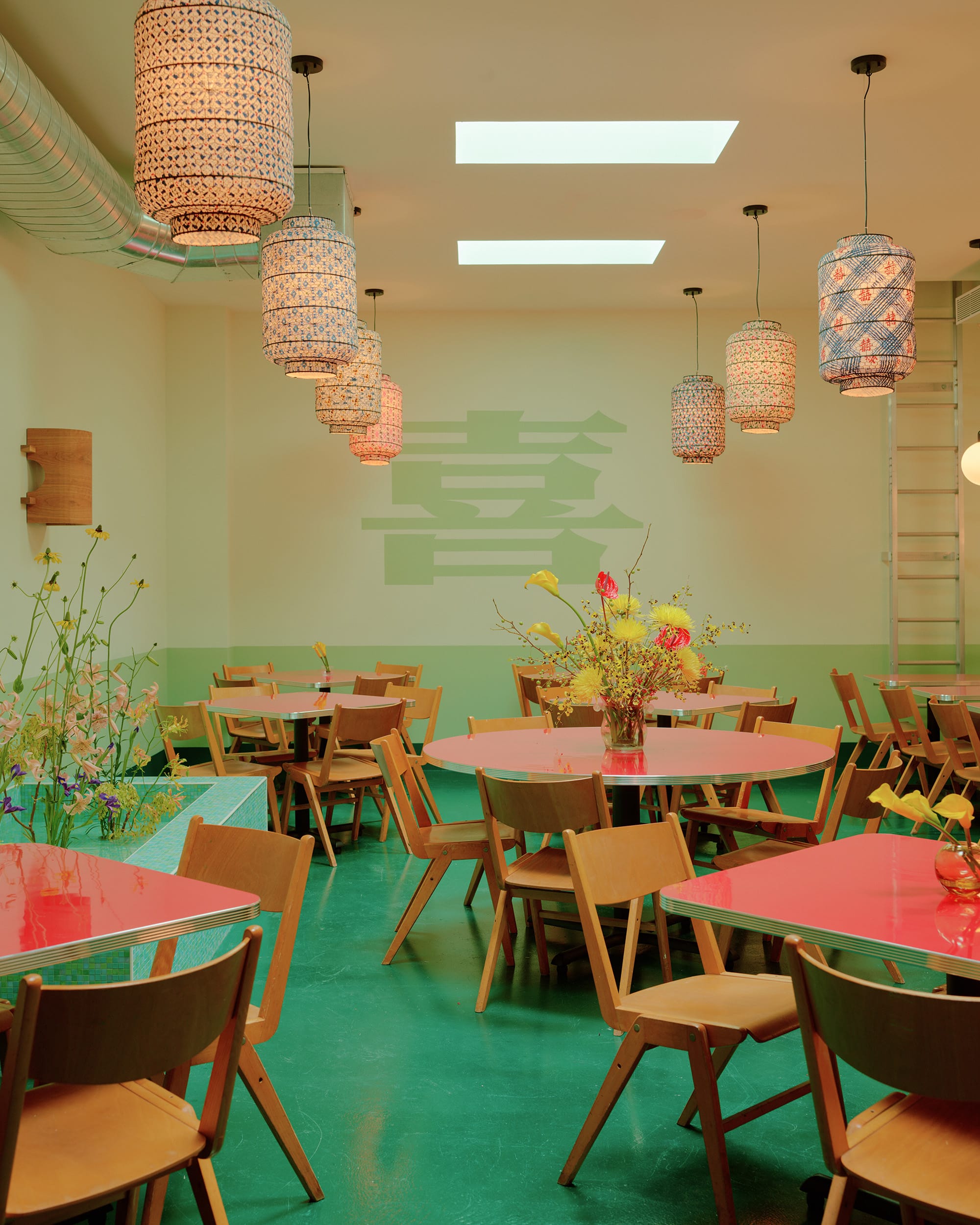
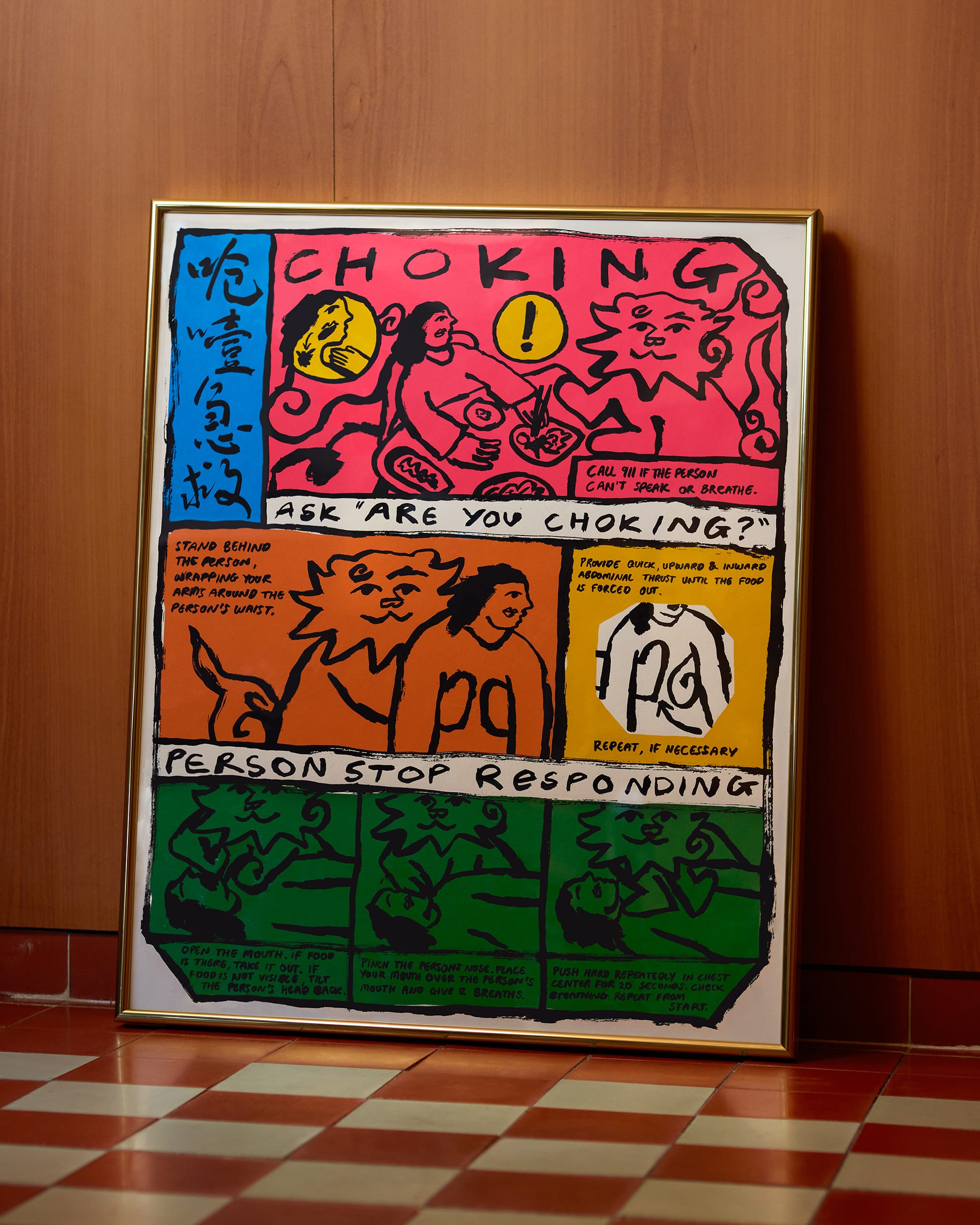
Jingqi Fan's brand for the restaurant MáLà Project
That distinction feels especially important to Jingqi, who’s now building a new practice after several years at COLLINS. Rather than aiming for visual consistency across projects, her focus is on making the process itself “feel consistent through deep research, strong conceptual framing, attention to emotional texture, and a willingness to let the subject matter push the visual outcome somewhere specific,” she says.
While people may initially remember a stylistic sensibility—the immediate visual imprint of the work—Jingqi believes that what lingers more deeply is a designer’s judgment.
In the creative industry, the final output is often treated as the crowning achievement, but for her, it represents only one part of a much larger experience.
“The process of getting there can be just as memorable as the output,” she says, pointing to the conversations, clarity, and trust built throughout a project, along with a designer’s ability to help clients see their own work differently. Over time, she argues, clients begin to remember not just the final result, but how a designer guided them through uncertainty: whether they understood what was at stake, brought clarity to the process, and helped articulate ideas that hadn’t yet fully taken shape.

Pushing against predictability
Building recognition over time also introduces another tension: the expectation of visual consistency. Once a designer or studio becomes associated with a certain kind of work, memorability can quickly harden into predictability. As branding becomes increasingly shaped by trend forecasting, audience analytics, and proven visual formulas, designers can feel the pressure to produce more of what already works.
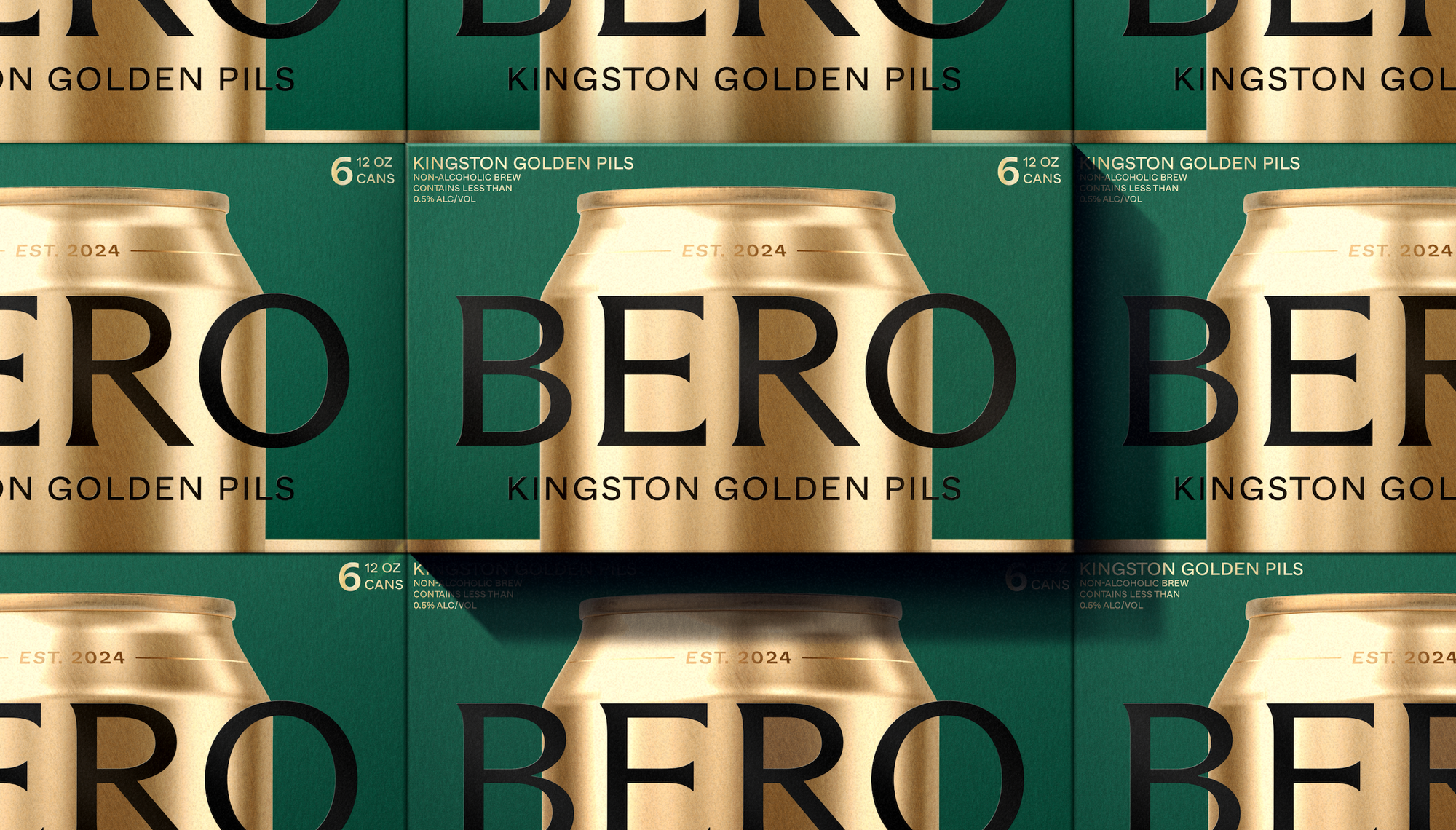
For Alex—whose studio CENTER has become known for creating identities for culturally referenced projects, including BERO, the non-alcoholic beer brand founded by Tom Holland—that expectation poses a creative risk. “If things start to feel too familiar, they stop being exciting,” he says. “Predictability is the enemy of memorability.”
While recognition depends on consistency in intention and approach, lasting resonance is shaped by the ability to continually surprise people within that framework. “It’s a very ‘What have you done for me lately?’ industry, so you have to keep evolving and pushing expectations,” Alex adds. “The designers people remember are usually the ones that keep taking creative risks instead of settling into a formula.”
In many ways, that evolution becomes possible when consistency is rooted in a point of view rather than in aesthetics alone, allowing each project to arrive at its own distinct internal logic rather than repeating an established visual language.
Can memorability be cultivated?
As it stands, memorability is a slippery thing. It rarely emerges through conscious performance or the pursuit of recognizability alone. Instead, it seems to accumulate indirectly, through repeated ways of thinking and working.
Designers may not be able to manufacture memorability itself, but they can cultivate the conditions that allow it to surface over time.
“You can’t really force memorability. If you try too hard to be memorable, the work can start to feel self-conscious,” says Jingqi. “But you can be consistent about your standards, your curiosity, your references, your process, and the kinds of questions you ask. Over time, that begins to form a recognizable pattern.”
Identity for The Butter—a narrative-driven design project—led by Jingqi Fan
As she begins to build her practice, Jingqi is consciously resisting the pressure to become too legible too quickly. In a design landscape shaped by constant visibility and rapid circulation, compressing work into a discernible aesthetic can make it easier to identify, share, and market. “But I don’t think that’s the right path for every designer or studio,” she says.
For her, the goal isn’t immediate recognizability, but a practice that reveals its coherence more gradually over time. “I’d rather build memorability slowly, through a body of work that shows range but also reveals a consistent level of conceptual thinking—the ‘thing’ that gives a project its soul,” she says. “Across the work, the connective thread shouldn’t be that everything looks the same, but that everything feels deeply considered.”