How alternative learning spaces are reshaping creative education
As creative practice evolves, alternative learning spaces are transforming how, where, and why we learn today.
For many creatives, the end of formal education leads to a process of unlearning—questioning inherited methods and figuring out what holds up outside the classroom. As creative work evolves, traditional methods of education can start to feel out of sync. It’s in this gap between education and practice that a different kind of learning finds its place.
Para-academic initiatives respond to this shift, operating by a different set of rules—prioritizing experimentation, collaboration, and self-directed learning. But what makes these spaces necessary, popular, and inherently political?
To dig deeper, we spoke to designer Tim Wan, whose time at Fabrica shaped his approach to building an independent studio alongside Neta Bomani and Todd Anderson, co-directors of the School for Poetic Computation (SFPC), where they’re rethinking how learning happens across art, technology, and culture today.

Between school and practice
After graduating and moving through a series of internships in London, Tim found himself looking for an alternative space that could bridge the distance between formal education and the realities of practice. The search led him to Fabrica, a residency by the Benetton Group that has since wound down, which offered something close to what he felt was missing: time, collaboration, and the freedom to explore ideas without searing deadlines.
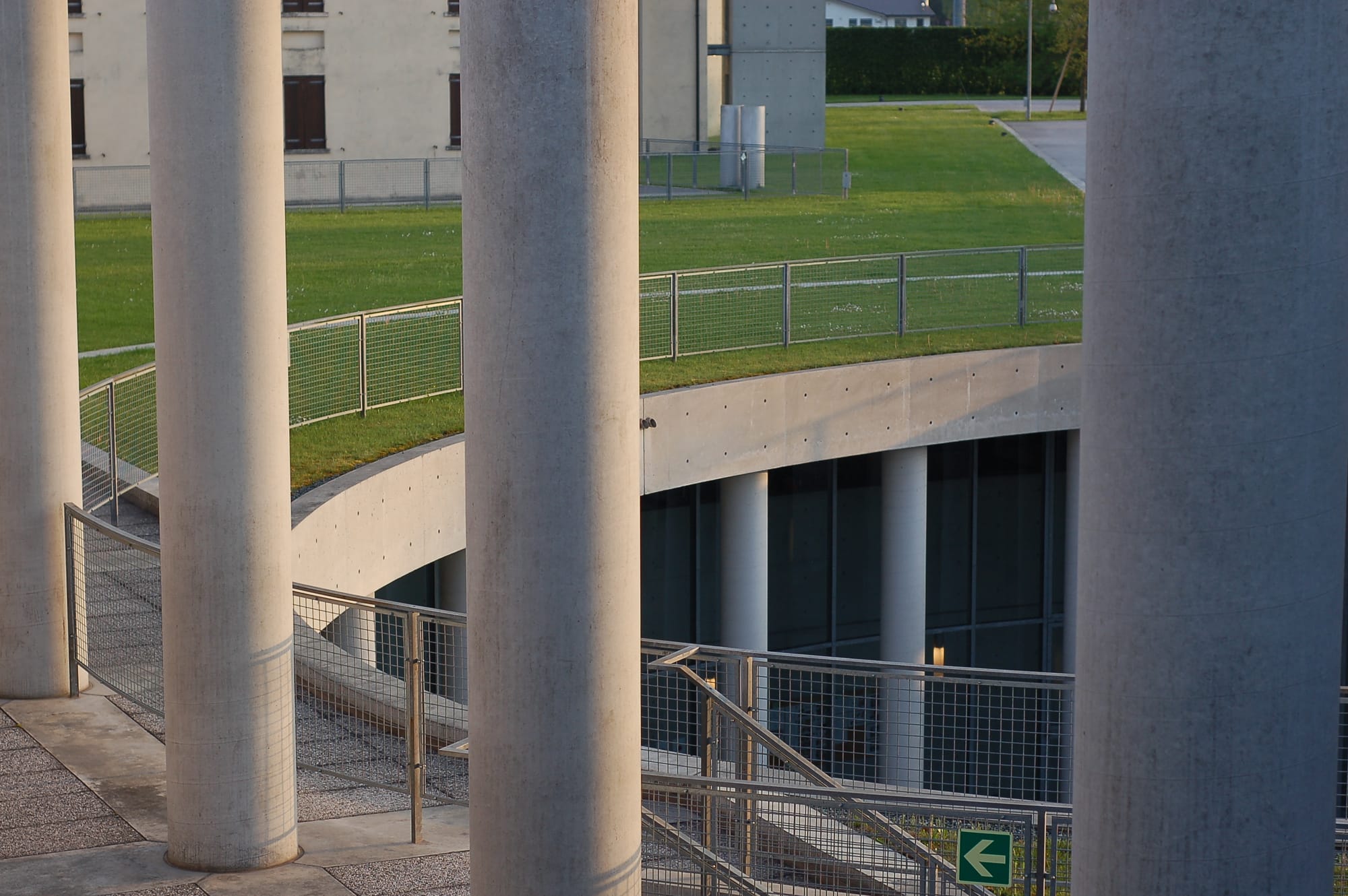
“Fabrica presented everything I couldn’t find as an intern in London—space and time to grow more independently, be surrounded by other creatives from various disciplines, collaborate with people, and work on both commercial and self-initiated projects, all in sunny Italy,” says Tim.
The residency introduced him to a refreshingly non-hierarchical, collective way of working, where everyone could contribute to each other’s projects and every idea was encouraged, considered, and tested. That experience stayed with him, eventually informing the decision to build his own independent practice, STUDIO WAN.
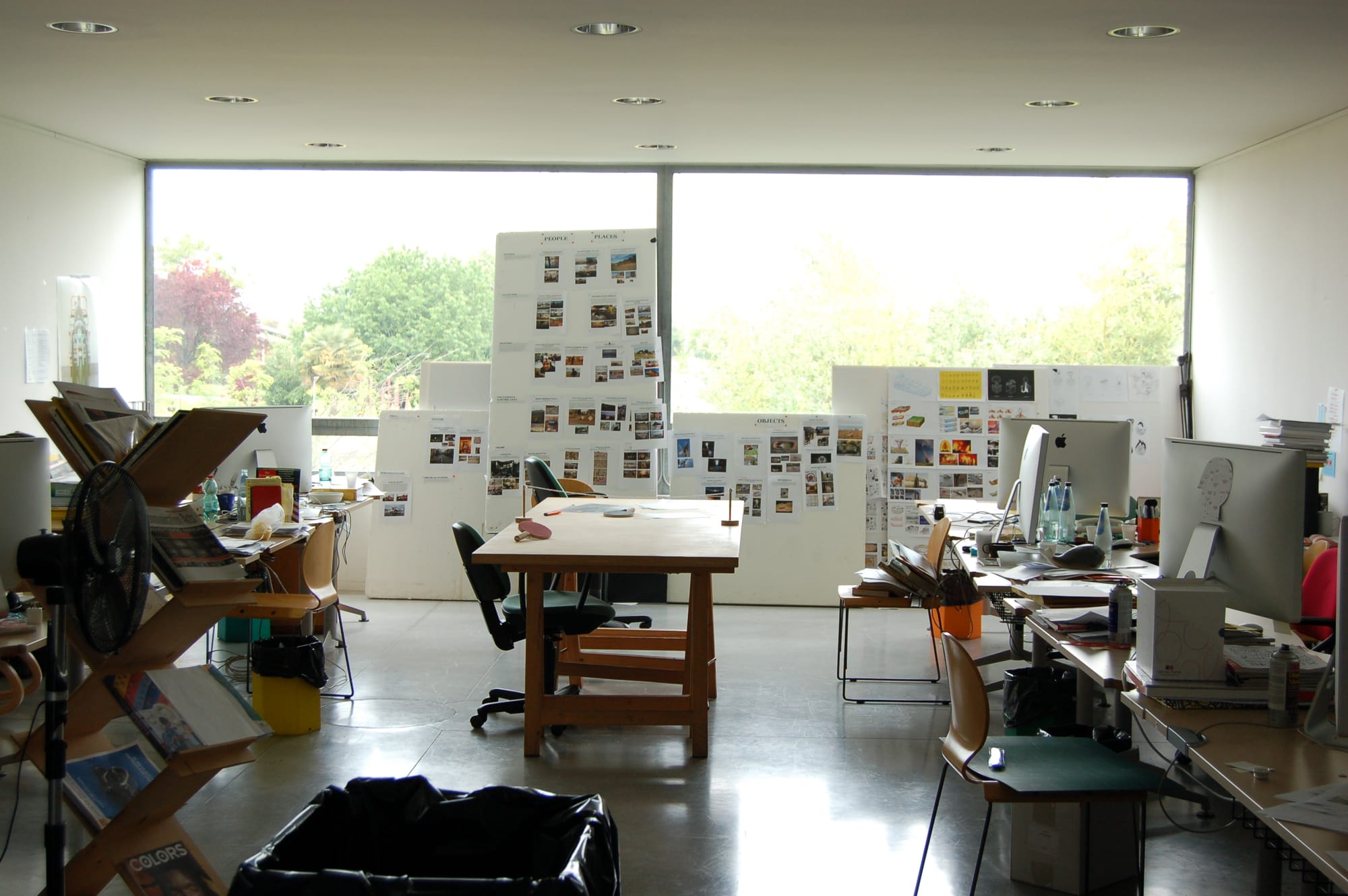
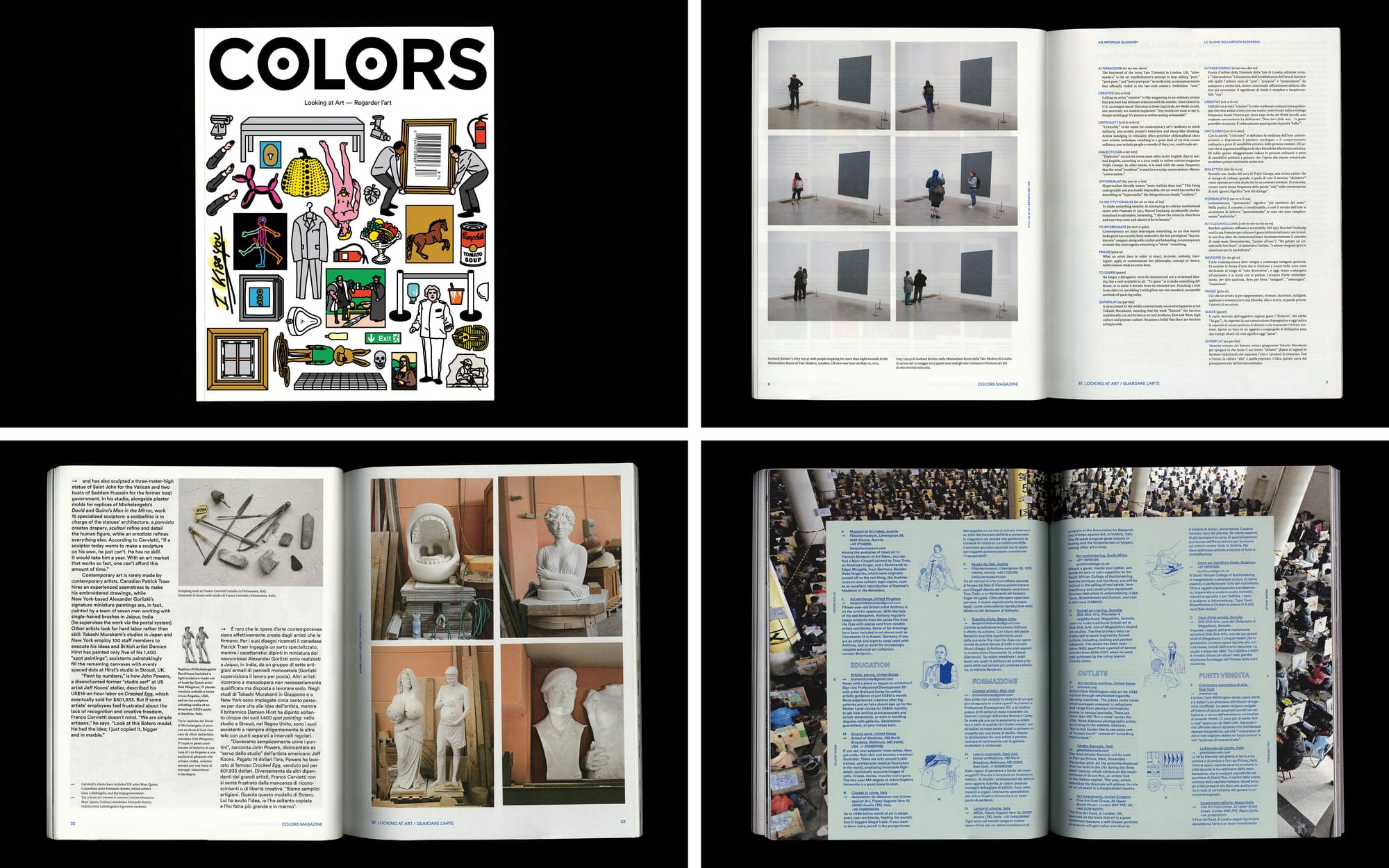
“A lot of my underpinning values were discovered at Fabrica—embracing diversity of perspectives and experiences, moving away from a single linear process, working cross-disciplinarily, and taking an iterative, narrative-first approach,” says Tim. “These values became the blueprint for how I operate, shaping my creative process, as well as how I approach new business and hiring.”
What spaces like Fabrica offered to a generation of creatives wasn’t just an alternative pathway into the industry, but a different set of priorities and a chance to reconsider the learning process.
Neither fully academic nor fully commercial, they make space for modes of working that don’t easily fit within structured systems. And in doing so, they also reveal the limitations of traditional education.
What sits outside the classroom
While formal education is structured, efficient, and career-oriented, it’s often slower to adapt to the changing landscape of creative practice. As a result, it can struggle to make space for the kind of nuance and inquiry these shifts demand.
This tension is something the School for Poetic Computation (SFPC) is built around. In more conventional tech education, code is often taught as a skill to master. At SFPC, it’s approached differently—as a means of thinking, questioning, and making meaning. This shift is subtle but significant, opening up space for experimentation, interpretation, and more critical engagement with technology.
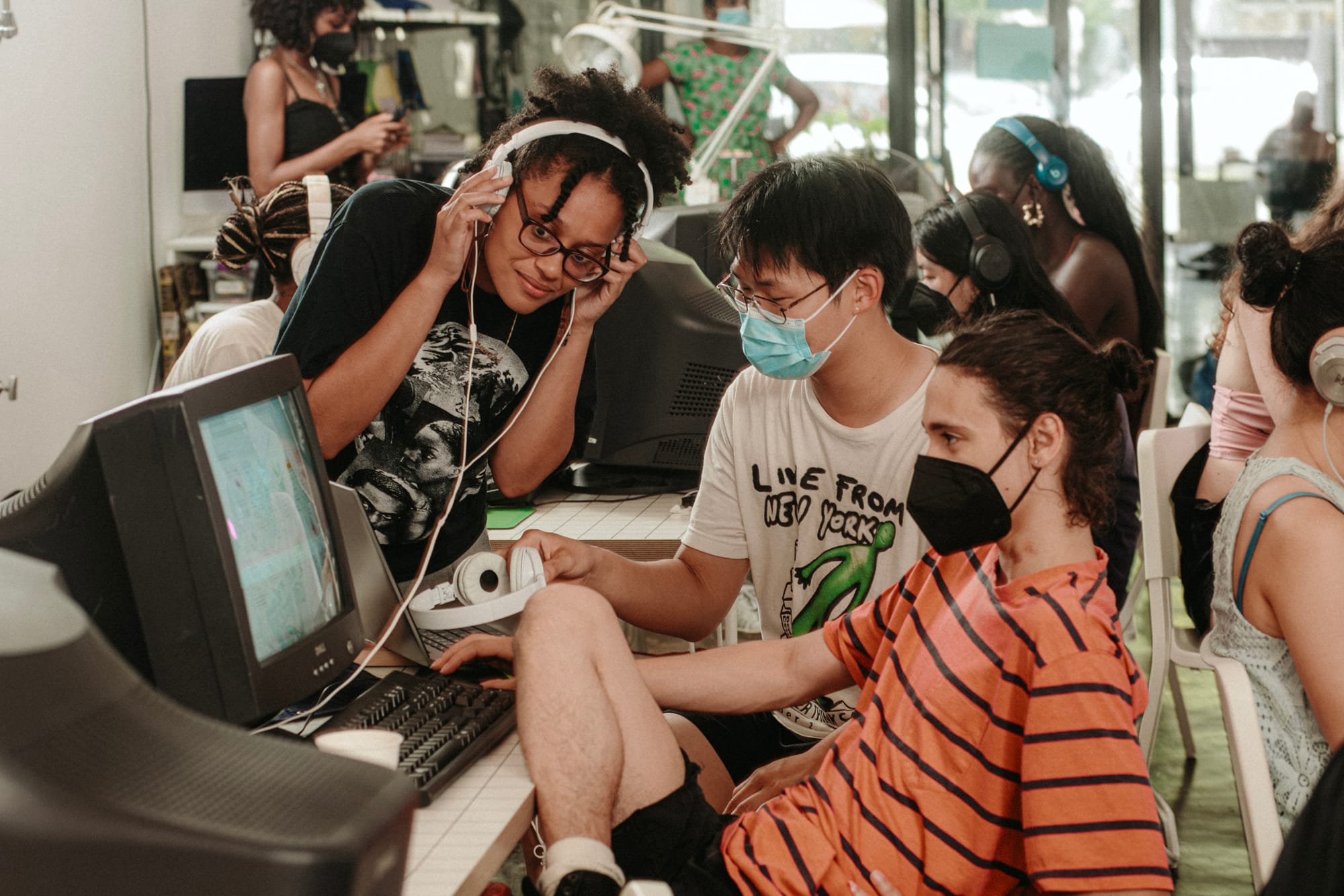
As Neta points out, conventional tech education often separates technical skill from social and political context, prioritizing code’s capitalistic functions over imagination and deeper inquiry. “It also reinforces the hierarchy of who gets to be technical, whose knowledge counts, and who can afford to participate,” she adds. “SFPC responds by integrating critical frameworks with hands-on practice, redistributing financial and educational resources to expand access, and co-creating environments where students and teachers can learn across disciplines as peers.”
By nature of their design, alternative learning environments point to a broader limitation within traditional systems—an unease with ambiguity, a tendency to silo disciplines, and limited engagement with contexts that shape creative work.
BIPOC Design History
What falls outside often isn’t just curriculum, but ways of thinking, along with whose perspectives are included in the first place. Initiatives like BIPOC Design History emerge from this gap, working to expand both what is taught and who gets to shape that knowledge. In doing so, they point to a wider shift where learning practices are restructured altogether.
Learning without outcomes
While conventional educational setups are built to reach a predestined goal—a degree or certification—para-academic spaces instead shift the focus to inquiry. They encourage missteps, failures, and detours, allowing for a more self-directed path rather than a prescriptive route.
"Instead of asking, ‘How do I do this correctly?’ we want students to ask, ‘What does this do in the world?’ and ‘What else could it be used for?’"—Neta Bomani
“We encourage playful, critical questioning that invites experimentation. That way, people can engage more personally and more politically with tech because they understand themselves as active participants in shaping it—not just ‘users’ of it.”
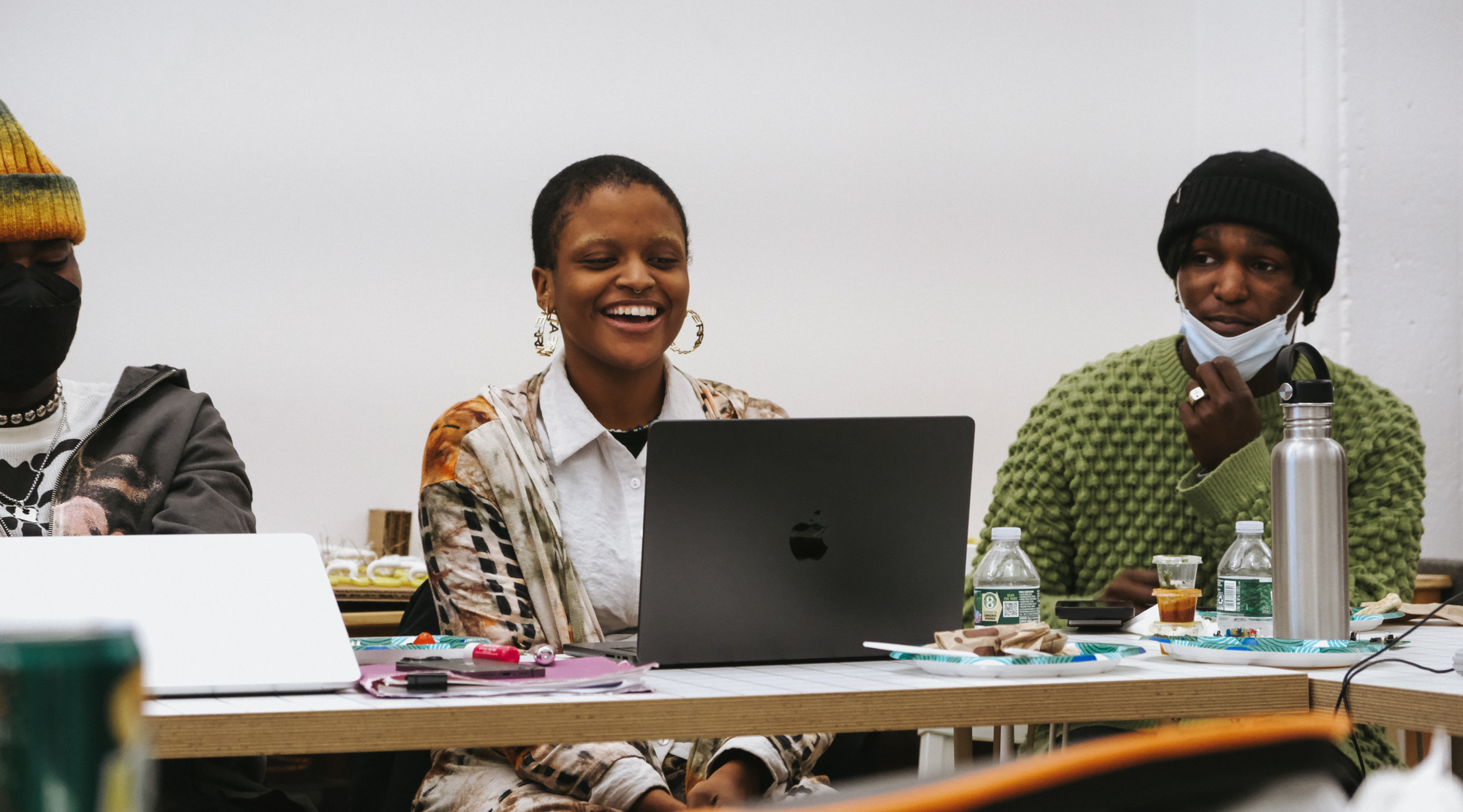
In addition to prompting students to reconsider the end goal of a course, many of these alternative learning spaces share a common emphasis—bringing different perspectives into the same room. Here, interdisciplinarity is intentional, creating environments where varied backgrounds, skills, and ways of thinking can actively shape how learning unfolds.
"It creates an incredible opportunity for students to learn from each other and form deep collaborative bonds. A software engineer helps a poet with their code, who in turn helps the engineer develop an expressive voice in their writing."—Todd Anderson
“A textile artist and a graphic designer might work together to make a website feel physical and real. It creates a sense of empowerment, where everyone has something worth teaching, as well as something more to learn,” he adds. In these environments, knowledge is no longer siloed or hierarchical—it’s shared, negotiated, and constantly shaped through collaboration.
Futuress—a design-led editorial platform
When the focus shifts from individual mastery to collective exchange, it opens up the possibility for more layered and plural forms of discourse. This is something Futuress, a design-led editorial platform, actively builds into its structure. Through its fellowships and collaborative editorial formats, publishing becomes a shared learning process, where contributors engage with, respond to, and expand existing conversations—often bringing in perspectives that might otherwise remain marginal.
From schools to networks
The shape and form of para-academic initiatives continue to evolve. Platforms like Are.na take this further through a more distributed model. Often described as an “Internet memory palace,” Are.na allows users to collect, organize, and connect ideas in private and public channels. What emerges is an evolving network of references—shaped over time through association, curiosity, and contribution. In this way, learning becomes less about progressing and more about accumulation, where knowledge is built gradually, shared openly, and reinterpreted continuously.
Learning as a political act
As para-academic approaches expand, so do the questions they raise—about how learning is valued, and who it ultimately serves. As Neta puts it, “Alternative learning spaces are inherently political. Positioning themselves outside the status quo is, in itself, a political act.” In choosing to operate differently, these spaces actively question the assumptions that shape traditional education.
However, the challenge isn’t just structural, but cultural. “People need more than just credentials. They need community, intellectual stimulation, and ways to reconnect their learning to the world around them,” Neta adds. In this sense, alternative schools recast the role of education as not just a means to an end, but an ongoing, collective process.
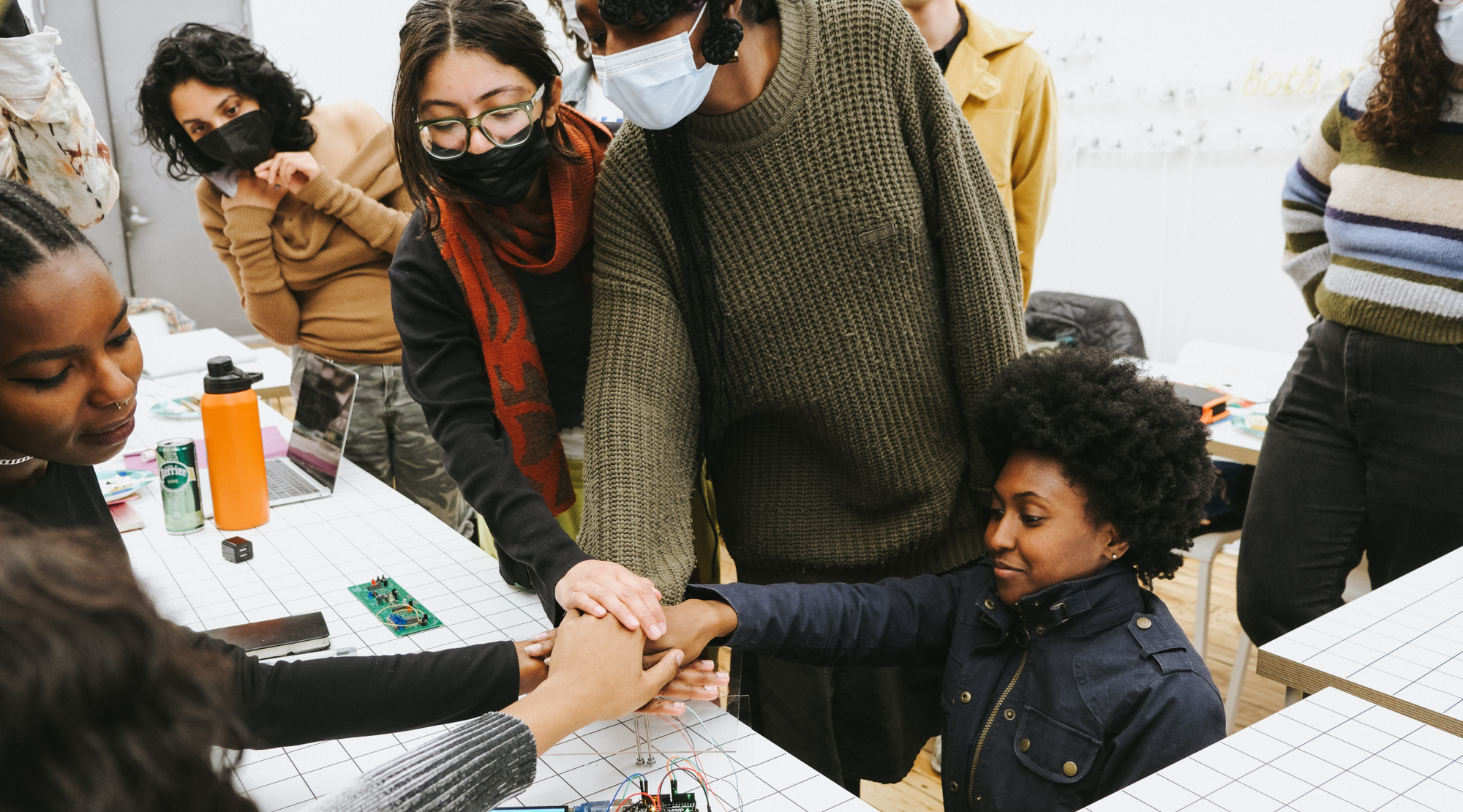
For Todd, this shift also reflects a growing tension within formal systems. “It’s increasingly difficult to justify learning for its own sake, for the joy of it, for the simple desire to grow,” he says. In contrast, spaces like SFPC draw more directly from the spirit of liberal arts, prioritizing connection across disciplines and using learning as a way to build community rather than simply prepare for work.
Taken together, these perspectives point to something larger than a change in format. Para-academic initiatives are responding to gaps in education while also redefining what learning can be—open-ended, autonomous, and rooted in collective exchange. As the creative industry continues tackling rapid change and uncertainty, the relevance of these spaces will lie not only in what they teach, but also in how they make space for thinking, questioning, and imagining otherwise.