No straight lines. What the Readymag team unlearned after their degrees
With reflections and archival photos throughout.
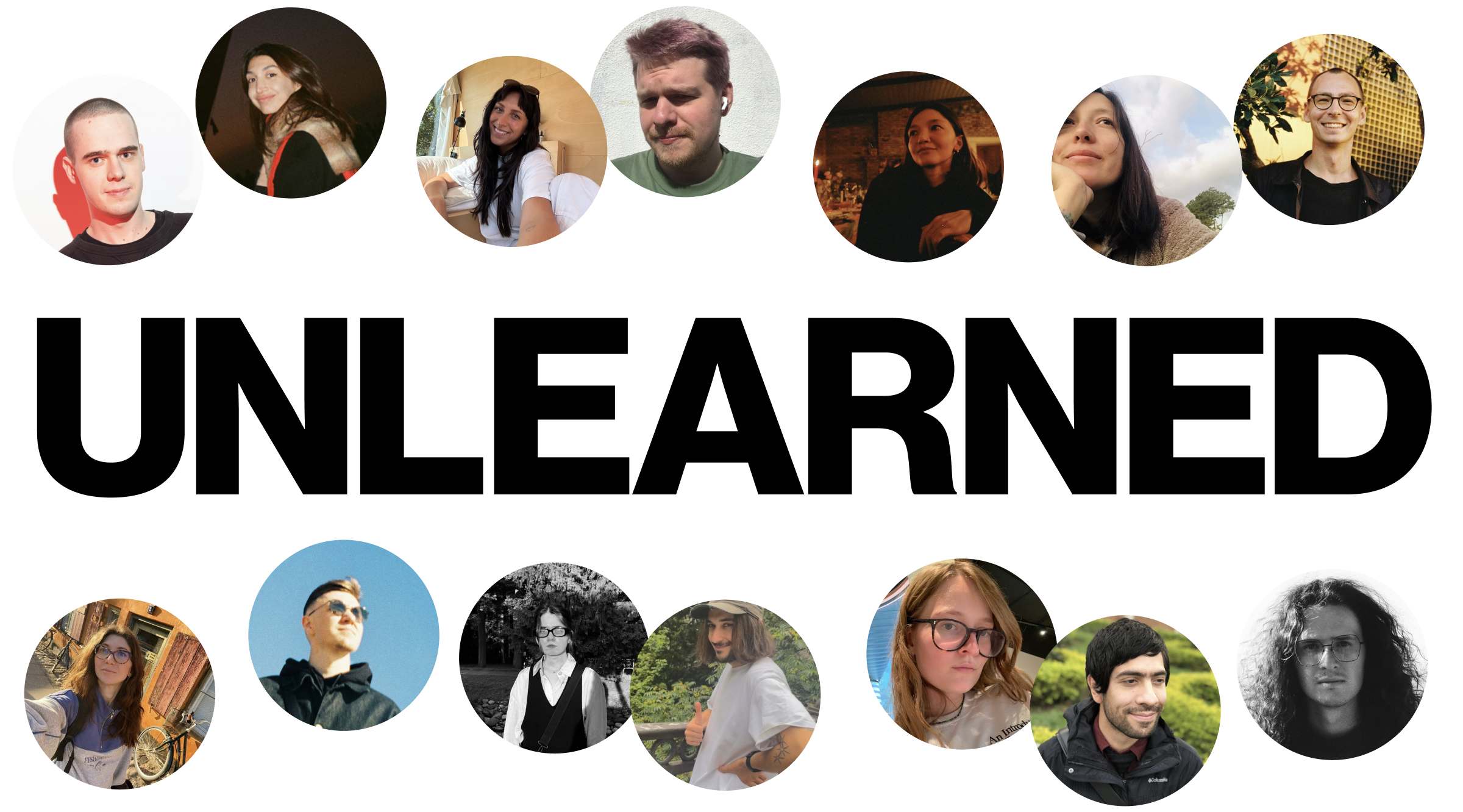
As we worked on UNLEARNED, Readymag’s editorial exploration of what happens after design school, we began reflecting on our own experiences with formal education: what it gave us, what it overlooked, and what only became clear later.
In this piece, the Readymag team shares how expectations met reality, and what we each had to unlearn along the way.
Danika, video content creator, bachelor’s degree in fine arts, master’s degree in creative management and marketing
I found my fine arts degree quite limiting. I never felt we were being prepared for an actual career in art in any practical sense. After graduating with a BFA in oil painting, I moved to Berlin to study art direction for advertising and media, thinking of it as a more “practical” form of art I could make a living from. I quickly realized I mostly hated advertising. I didn’t like using my creativity to sell things I didn’t care about. But I also discovered that I didn’t mind it as much when the work was for a cause or a brand I genuinely believed in.
Over time, I moved from art direction into graphic design, then into niche branding and illustration for progressive companies and causes, and later into web design and creative content. Now, 6 years on, I’m finding my way back to art again. Figures!
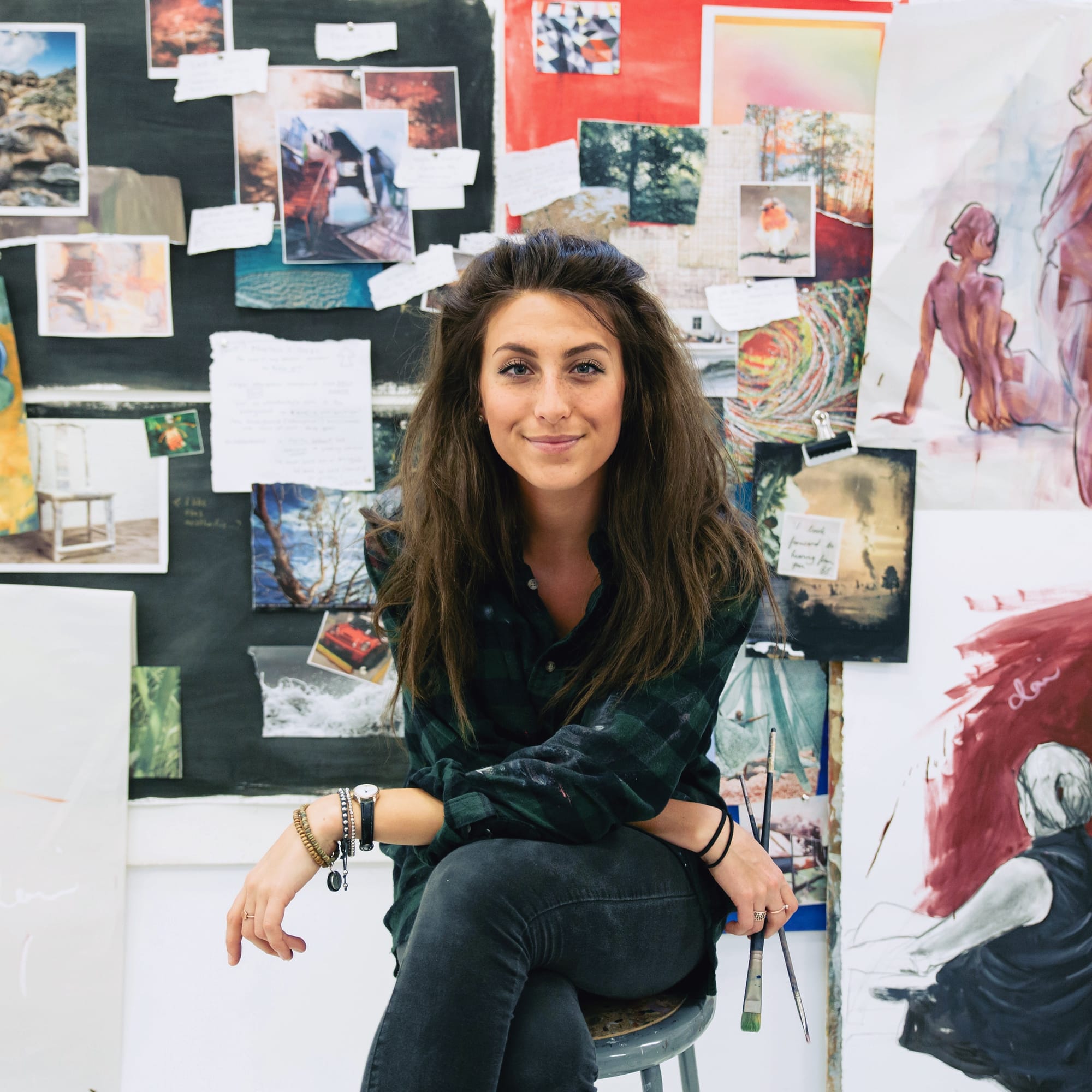
I don’t regret any part of this journey. Every chapter added something and taught me something, and now I draw on all of it to shape a creative path that feels truly my own. Now I’m building a career as a generalist because that’s what comes naturally to me. There’s always time to pivot or focus later. You don’t need to pick a specialization early on to be a “real” creative.
Mikhail, head of product, bachelor’s degree in aerospace engineering
I grew up building model planes. I was obsessed with how they looked: the shapes, the silhouettes. Somehow that led me to an aerospace engineering degree and a thesis on converting military jet engines for civilian use. By the time I graduated, I already knew I didn’t want to work in state-funded projects or large corporations. I joined a small private engineering firm, and for a while it felt like a reasonable compromise. Eventually, I realized it still wasn’t what I was looking for.
Startups were everywhere, the web was taking off, and I decided to fully immerse myself in it. I built my first side project, my first website, and was surprised by how easy and enjoyable it felt. That project helped me land a role at a digital advertising agency, where I learned how the industry works and met designers and developers who deeply inspired me. One of them introduced me to Readymag. I immediately fell for it and applied for the first opening I saw.
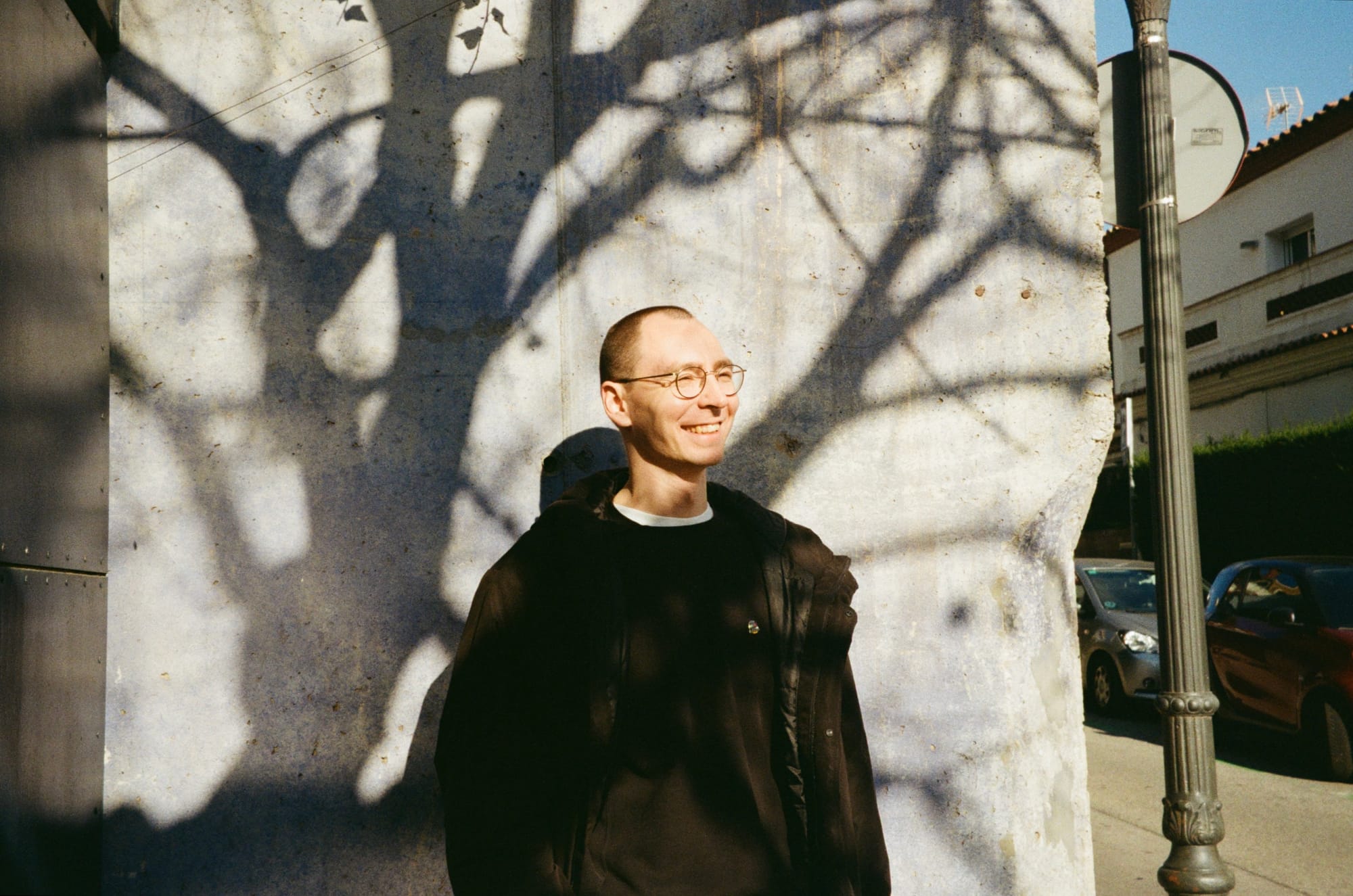
When I joined Readymag I started working with designers who treated interfaces as emotional objects, full of metaphor and intention, not just functionality.
For someone trained to look for rational, correct answers, that experience genuinely broke something open. In engineering, certainty comes from physics: you calculate, then you build. One of the hardest things I had to unlearn was the idea that waiting for certainty is the responsible thing to do.
Alexander, head of design, bachelor’s degree in design
My path in design started pretty typically: drawing letters, cutting potatoes to make stamps, using default Photoshop effects. As I grew professionally, I had a very specific idea of what my career would look like: Tschichold and Bringhurst, time management, presentations, Agile, design systems, tokens, workflows. I don’t want to dismiss any of that—it all matters. But I’m really glad my expectations didn’t turn out to be entirely accurate. As you grow, you can still do the things you loved at the beginning and even make a career out of them: drawing letters, cutting potatoes, using default Photoshop effects.
The most important thing I had to unlearn after school is that no one holds secret knowledge, and no one does things perfectly. What matters is experience, education, and your level of engagement.
Katherine, support agent, master’s degree in arts
When I was finishing my undergraduate degree, I believed my career would allow me to make a meaningful contribution to the world. What I found instead was an ocean of many different paths, not all of them aligned with the structured knowledge I’d gained in college. Since then, I’ve explored a wide range of fields, following what felt aligned at the time. My undergraduate degree was in economic planning; later, I pursued a master’s in textile and fashion design, and also studied geography with a focus on urban planning. Professionally, I’ve worked in the nonprofit sector on community development programs, in startups as a smart textiles and e-textiles specialist, as an entrepreneur in textile and fashion design, as a government consultant in innovation and entrepreneurship, as a product design consultant, and now as a support agent at Readymag.
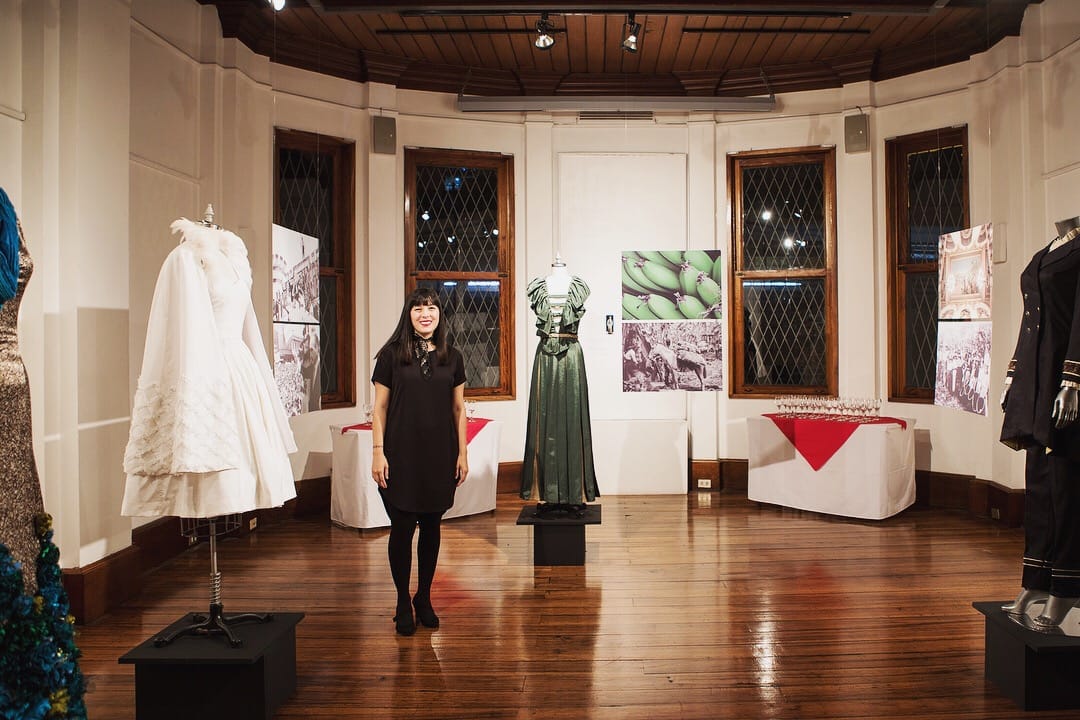
Looking back, I realize that university didn’t give me a clear path—it gave me a method. It taught me how to navigate the professional world, identify opportunities, and build connections. The knowledge I gained across disciplines and industries allows me to contribute from a broader, more integrated perspective.
What I’ve had to unlearn is the idea that learning ends with school. It doesn’t. The world keeps moving, industries evolve, roles change, and so do we. The key is to keep learning, but not from fear, anxiety of becoming outdated or losing opportunities, or staying in a role simply because it’s familiar.
Learning is most powerful when it comes from curiosity, a sense of adventure, and a willingness to take risks.
Pavel, product manager, associate’s degree in photography
I was sure I’d become a graphic designer. I was deeply invested in it, putting in serious time and effort even though my formal studies were in photography. But over time, I realized that design was just one of many areas that interested me. I didn’t want to go deeper into a single discipline—I wanted to move across several. That’s how I ended up in product management, a role that lets me work across design, analytics, copywriting, behavioral psychology, and more. It’s this variety that keeps me energized.
For a long time, I believed that a university degree was a prerequisite for a “real” career. Everyone around me treated it as a baseline. Without a degree, I had to build a strong habit of self-education, and it turned out to be one of my greatest strengths. Moreover, in practice, the absence of a degree has almost never been a real obstacle.
Katherine, quality assurance lead, bachelor’s degree in aircraft and engine maintenance
I’ve always wanted my professional path to give me a sense of freedom and the chance to do something meaningful. When I graduated, I was convinced my career would be in aviation and that my field would offer exactly that. But my path had a few unexpected plot twists. First, creativity: I worked as a photographer, and eventually tech, where I now feel like I’m exactly where I’m meant to be.
Sasha, product designer, bachelor’s degree in English language and literature
I discovered design while I was at university, and by my third year I already knew I wouldn’t be working in my original field. During my first and second years, though, I was set on pursuing a master’s degree in another city and becoming a translator or going into academia.
Even after discovering design, I still assumed I’d continue on to a master’s in linguistics. But my partner at the time pointed out that it didn’t make much sense and that I should focus on design instead, since I genuinely enjoyed it and was good at it. I turned down the master’s offer. We moved to another city, and I found a design internship at a small studio founded by graduates of the local university’s design faculty. The rest is history.
I used to believe that working in a creative field meant being poor and suffering. At school, I never even considered art-related majors, I was always told they weren’t serious, that you couldn’t make a living from them, and that I should choose a “real” profession. That’s simply not true.
You can succeed in any field if you’re driven by interest, joy, and belief in what you do.
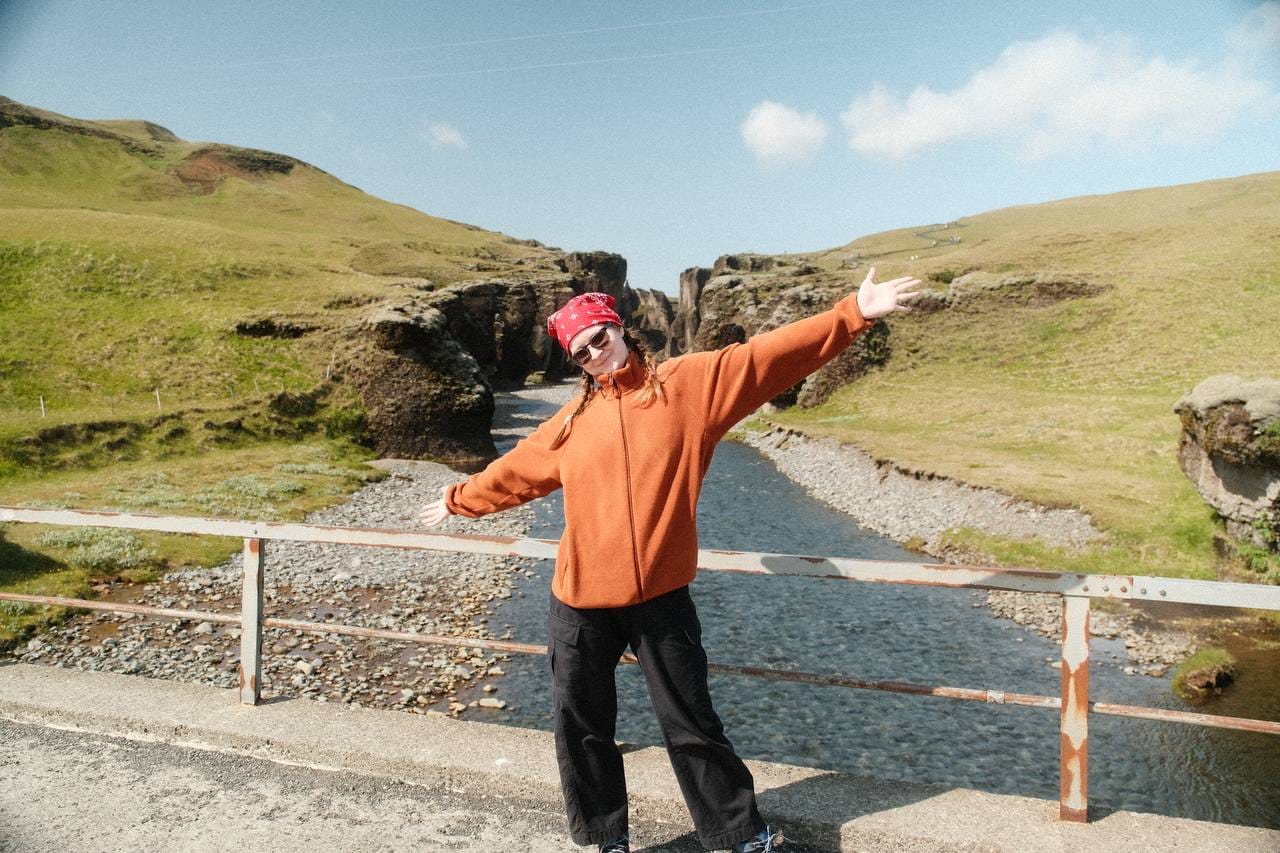
Esenia, social media lead, bachelor’s degree in public relations & advertising
I studied advertising and public relations from 2016 to 2020. At the time, this profession felt glamorized. One of our first assignments was to watch films like 99 Francs, Wag the Dog, and The Devil Wears Prada, which only reinforced that image. I imagined myself in an impressive corporate environment, dressed up for the office, moving from one client meeting to another. But after my first internship, I realized none of it actually appealed to me. I didn’t want to sit in an office all day, and I wasn’t interested in corporate life. I started questioning my choice. At one point, I even considered switching my major to sociology, philosophy, or cultural studies. Still, I stayed, even though I felt increasingly disconnected from the path I thought I was supposed to follow.
Then COVID hit during my final year. I defended my thesis over Zoom, and everything shifted. The industry was changing quickly, work moved online, and new opportunities began to emerge. Around that time, I started working in social media. Back when I was studying, SMM wasn’t taken seriously. It was seen as entry-level, poorly paid (sometimes unpaid), and something anyone could do. It’s painful to even write that now. But for me, it just worked. I’ve been chronically online since I was 12, so I had an intuitive sense of how people communicate on the internet, how content spreads, and what resonates. What I imagined after graduation and what actually happened turned out to be very different and, in a way, much closer to who I am.
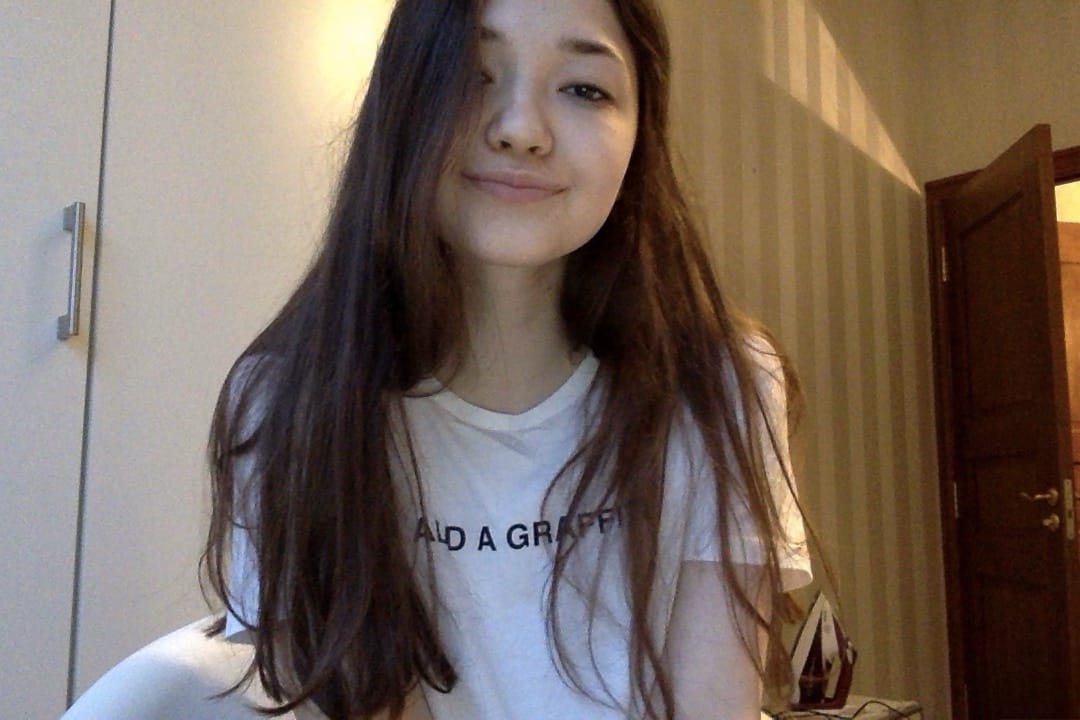
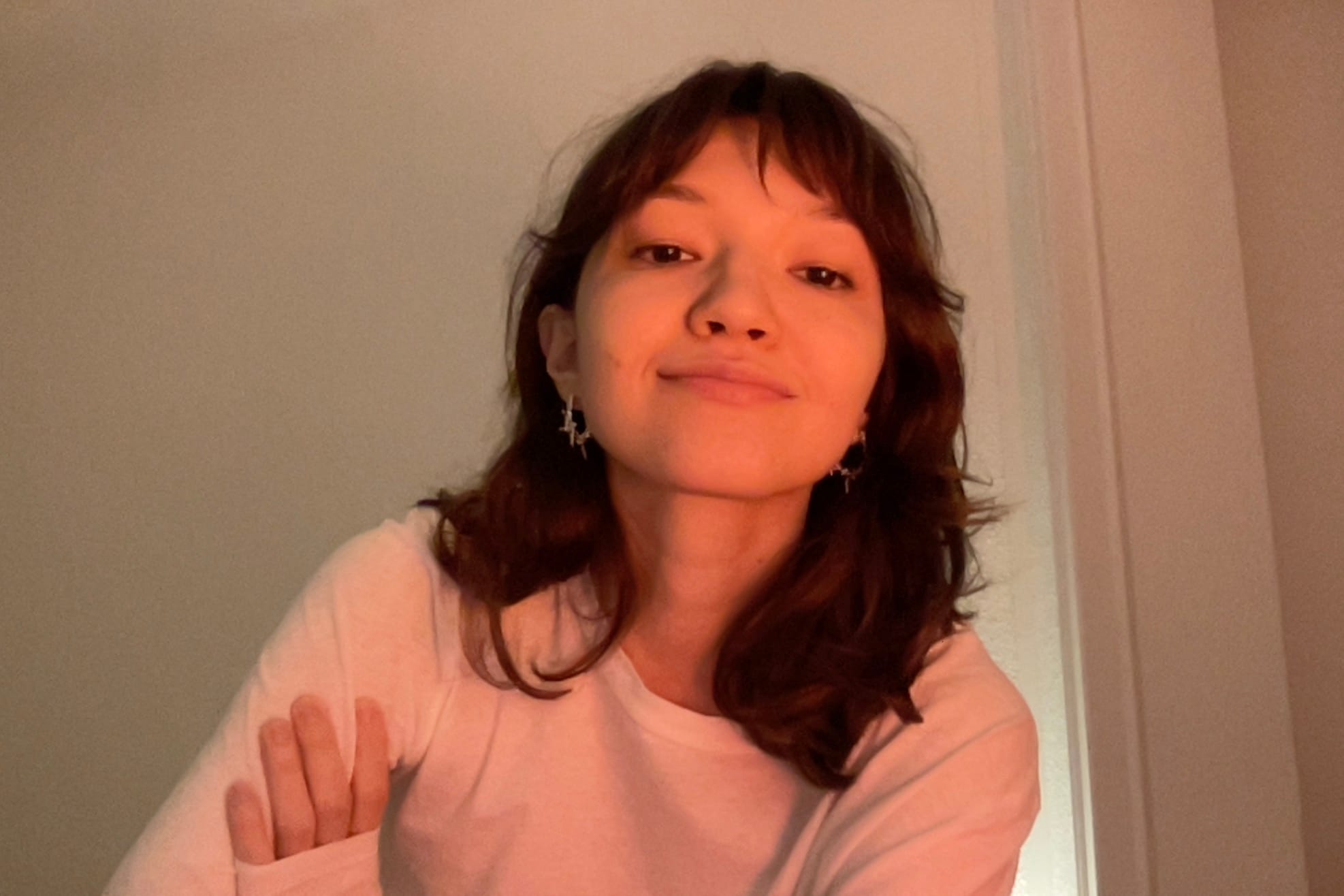
Esenia, chronically online both before and after her degree
At university I used to think there was a defined trajectory: you study something, then follow a structured career within that field. In reality, there’s no clear or linear path, especially in digital fields, where everything is constantly evolving. My role today is quite hybrid; depending on how you look at it, it could be described in different ways. Being adaptable matters more than fitting into a single title.
Hugo, support lead, associate’s degree in industrial engineering
After graduating, I imagined myself innovating, prototyping, and designing mechanisms that would continuously improve how things work. In reality, at least where I’m from, industrial engineering turned out to be much more about operations management. I never actually worked in that field, but interestingly, despite my path shifting toward support, most of what I do today still comes down to optimizing complex processes and systems to improve efficiency and productivity. Who knew?
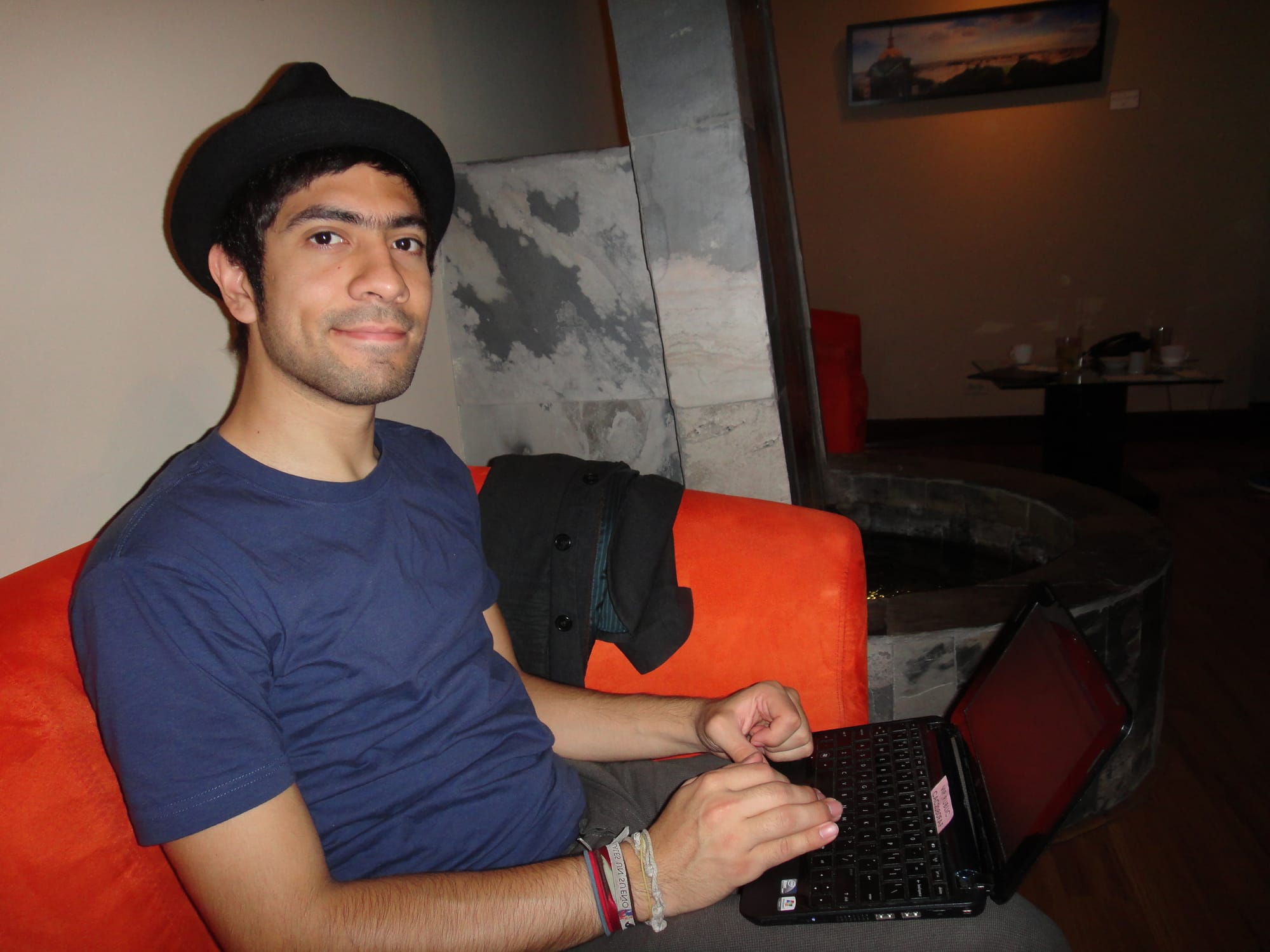
One of the biggest things I had to unlearn is that engineering is only about building things. School taught me to design systems and mechanisms, but the real work turned out to be about understanding people, processes, and constraints and finding improvements within them, not around them.
Laura, social media manager, bachelor's in American literature, master’s in European and international communications
I started my bachelor’s degree at 16, so I wasn’t really thinking about the future yet. I just wanted to find a job, maybe move into my own place, and simply be. I studied literature and languages, and at the time I had no clear idea what kind of job that could lead to. I tried teaching at a private school, but I quickly realized I wasn’t ready for a full-time job yet. So I quit, went traveling, and taught remotely for a few years. It wasn’t until my mid-twenties that I realized I wanted to try writing and that I genuinely enjoy working with texts.
Looking back, I think it’s okay to go wide before you go deep into a specific topic or career path. Progress doesn’t have to move neatly from point A to point B, it can zigzag, too.
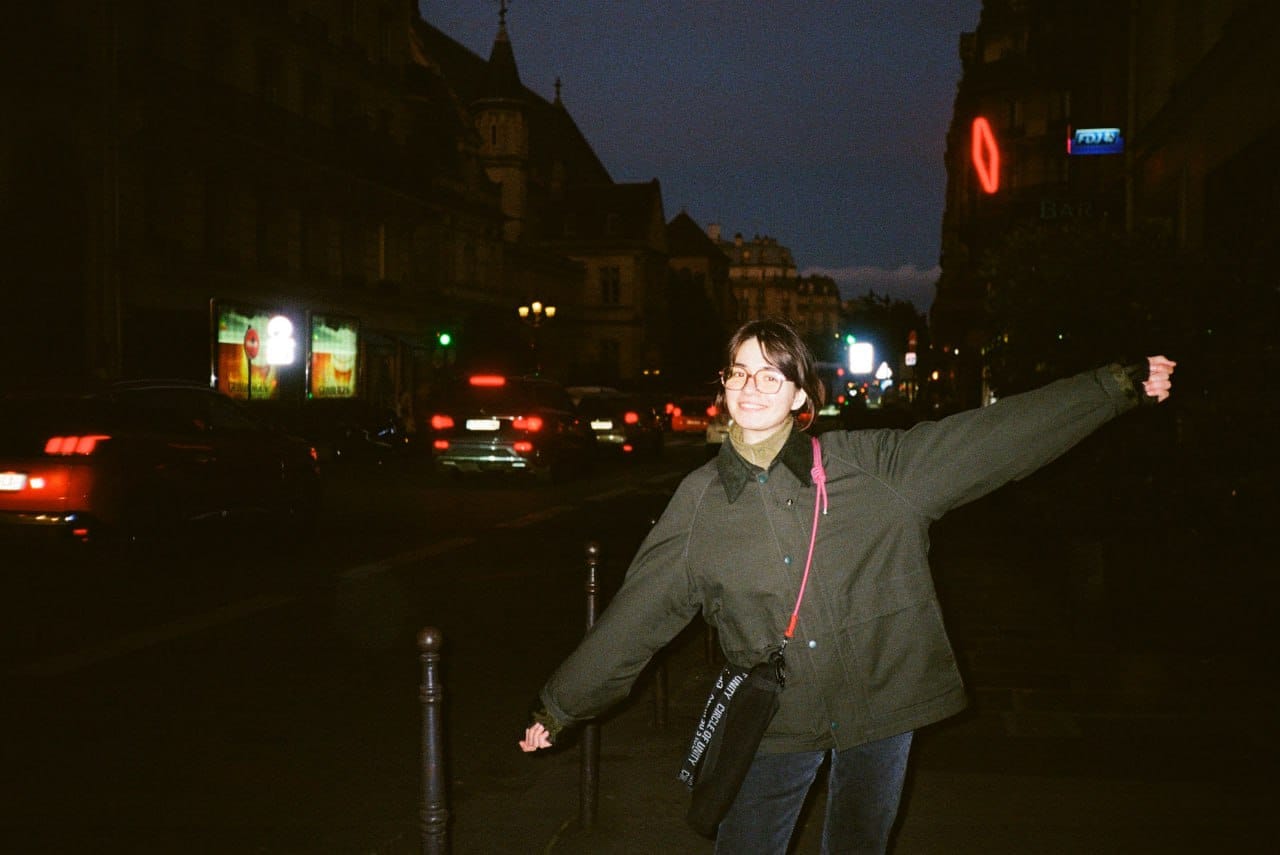
Ilya, chief technical officer, bachelor’s degree in applied computer science
I came to university already knowing what I wanted. I’d been into computers since I was in school, and by the time I enrolled, my friends and I were already running what we called a “design studio” building web projects for real clients. I wasn’t waiting for education to give me permission to work, so I didn’t arrive with illusions but I did have expectations. I thought university would go deep: algorithms, architecture, real engineering thinking, working through solutions and mistakes. Instead, it was a bit of theory here, a bit of practice there, a curriculum that didn’t really reflect the industry.
The funniest part? Some of our professors ended up becoming our clients. That’s when it clicked: the gap between what’s taught and what’s needed isn’t a flaw, it’s just reality. Learning how to navigate that gap turned out to be the most valuable lesson.
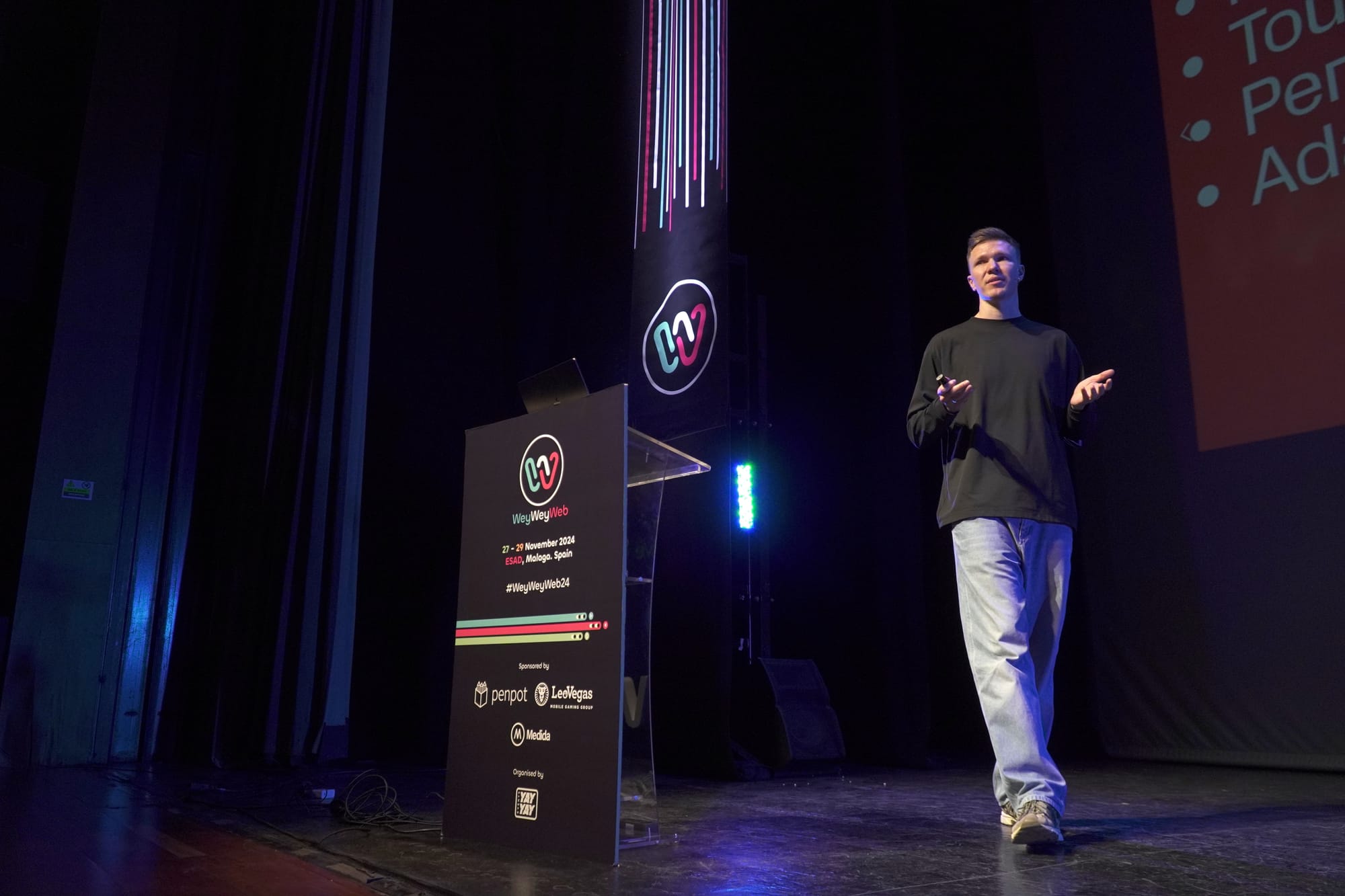
By the time I was sitting in lectures, we were already taking on real client work. No professor grading us, no correct answer at the back of a book, just a client who needed a website and us figuring it out. Sometimes messily, sometimes embarrassingly (not gonna lie) but always faster than any course could have taught us.
What I had to unlearn was this: knowledge doesn’t have to come before doing. Most of the time, it comes because of it.
Denis, designer, bachelor’s degree in marketing, master’s degree in graphic design, and nearly a PhD in art and design history (didn’t defend publicly)
After graduating, I hoped to join one of the studios I admired, but there were very few junior or internship opportunities, so I ended up applying to smaller agencies instead. Through interviews and part-time roles, I realized that many people outside the design field don’t fully understand what designers do or the value they bring.
That taught me that design isn’t only about making things—it’s also about explaining your decisions clearly and helping others understand their purpose. I think design education could place more emphasis on soft skills: how to work with non-designers, communicate clearly, and defend ideas in a respectful way.
I was lucky to have strong teachers, so I can’t point to one major thing I had to unlearn after graduating. For me, the bigger realization was that learning doesn’t stop after school. What matters is remaining curious, continuing to experiment, and building knowledge through practice and personal projects.
Mary, community manager, bachelor’s degree in linguistics
I used to think I’d pursue a career in teaching. Spanish was something I was truly passionate about, and I genuinely enjoyed teaching languages. I started working as an English teacher, mostly with employees at tech companies. But pretty quickly I realized how much energy it takes to work with people all day and learned something about myself: I didn’t have that much energy to give. That’s when it became clear I needed to look for something that didn’t require constant interaction.
One of the most important things I’ve unlearned after school is the idea that success is only about hard work or academic excellence. Being a team player, knowing how to communicate, and not being afraid to ask questions when you don’t know something are just as important—sometimes, even more so. No matter how strong a student you were, you quickly realize you’re stepping into a completely different world. And what you learn from more experienced coworkers can be just as valuable—if not more—than what you learned in school.
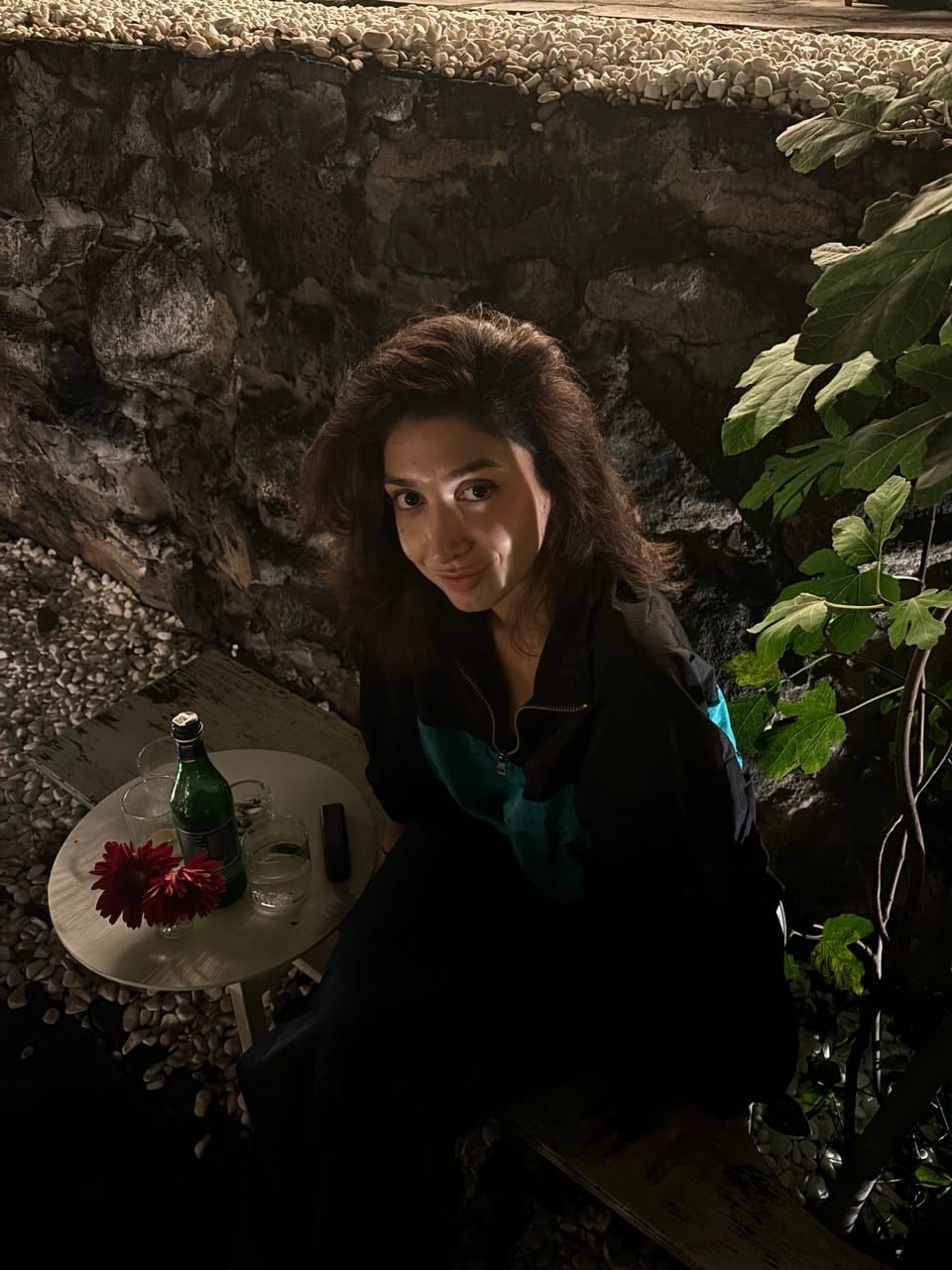
Mikhail, email marketing manager, bachelor’s degree in philosophy
At university, I thought every action would be filled with some deeper meaning and guided by ironclad logic—nah, just kidding. In reality, it’s enough to start by simply being mindful of what you’re doing, even the small, everyday tasks. And that’s exactly how it played out even if I can’t juggle philosophical terms sitting at a bar.